
Maximizing ROI in Plastic Manufacturing through Effective Machine Maintenance Strategies
- Heat Tech
- Nov 7, 2025
- 3 min read
In plastic manufacturing, unplanned downtime and inconsistent part quality can quickly erode profits and damage customer trust. Machines that break down unexpectedly or produce defective parts lead to lost production time, increased waste, and higher costs. To avoid these pitfalls, regular machine maintenance is essential. Whether your operation is large or small, consistent upkeep helps reduce scrap, extend mold life, and improve overall efficiency. This proactive approach catches problems early, preventing costly disruptions and maximizing your return on investment.
The Importance of Reducing Downtime - Plastic Machine Maintenance
Downtime in plastic manufacturing means halted production lines and missed deadlines. Scheduled maintenance procedures help prevent unexpected outages by keeping machines in good working order. When machines run smoothly, production flows without interruption, allowing you to meet customer demands on time.
For example, a manufacturer who implemented a strict maintenance schedule saw a 20% reduction in downtime over six months. This improvement translated into more consistent output and higher customer satisfaction. By investing time in routine checks and servicing, you avoid the costly consequences of emergency repairs.
Extending Mold Life with Regular Care
Molds are among the most expensive components in plastic manufacturing. Frequent wear and tear can shorten their lifespan, leading to costly replacements. Regular maintenance minimizes damage by addressing issues before they worsen.
Cleaning molds after each production run removes residue that can cause defects or corrosion. Inspecting molds for cracks or wear ensures they remain in optimal condition. For instance, a company that adopted daily mold cleaning extended mold life by 30%, saving thousands in replacement costs annually.
Achieving Consistent Quality through Maintenance
Maintaining machines ensures that every part produced meets precise specifications. Calibrated and well-maintained equipment delivers consistent results, reducing variability in part quality.
Checking nozzles for burrs or scratches prevents sticking and ensures smooth material flow. Tightening and aligning components avoids misfires or defects. When machines operate at peak performance, the rate of defective parts drops significantly, improving overall product quality.
Lowering Scrap Rates by Addressing Issues Early
Scrap material represents wasted resources and lost revenue. Early detection of problems through regular inspection helps reduce scrap rates.
For example, inspecting runners, barrels, vents, sprues, and gates for build-up or degradation allows operators to clean or replace parts before they cause defects. A manufacturer who prioritized early issue detection reduced scrap by 15%, cutting material costs and improving sustainability.
Improving Efficiency and Reducing Energy Consumption
Well-maintained machines operate more efficiently, consuming less energy and reducing operational costs. Clean molds and properly lubricated parts reduce friction and wear, allowing machines to run smoothly.
Regular maintenance also prevents leaks and deterioration in hardware and connectors, which can cause energy loss. By preserving equipment condition, manufacturers can lower energy bills and increase production capacity without additional investment.
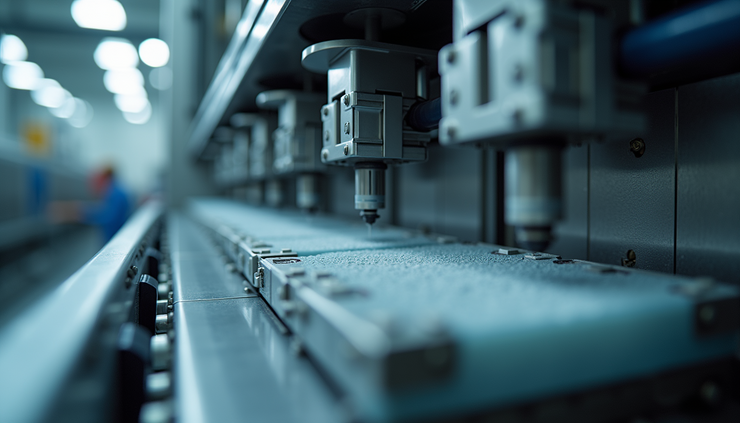
Plastic injection molding machine showing clean molds and aligned nozzles for consistent production
Key Steps for Effective Machine Maintenance
Regular Inspection
Every component involved in production affects product quality and machine performance. Maintaining strong productivity means catching warning signs early.
Inspect runners, molds, barrels, vents, sprues, and gates for build-up or wear.
Check nozzles for burrs, scratches, alignment, and tightness.
Examine hardware and connectors for leaks or deterioration.
Replace worn parts promptly to avoid further damage.
Thorough Cleaning After Each Run
Residue such as oil, grease, and resin deposits can accumulate and cause defects if not removed.
Use a degreaser or solvent with a lint-free cotton cloth to wipe cavities.
Disassemble mold vents and cooling channels to clean all surfaces.
Different resins leave varying amounts of deposits, so cleaning between cycles is critical.
Choosing the Right Cleaning Products
Using effective mold cleaning solutions ensures thorough removal of contaminants without damaging equipment.
Reference trusted suppliers for mold cleaners designed for your specific resin types.
Follow manufacturer guidelines for safe and efficient cleaning.
Practical Example: Maintenance in Action
A mid-sized plastic manufacturer faced frequent downtime and high scrap rates. After introducing a maintenance program focused on regular inspections and cleaning, they noticed immediate improvements:
Downtime dropped by 25% within three months.
Mold life extended by 20%, reducing replacement costs.
Scrap rates decreased by 18%, saving material expenses.
Energy consumption lowered due to smoother machine operation.
This example shows how consistent maintenance directly impacts profitability and product quality.
Final Thoughts on Maintenance and ROI
Regular machine maintenance in plastic manufacturing is not just a routine task but a strategic investment. It reduces downtime, extends mold life, ensures consistent quality, lowers scrap, and improves efficiency. These benefits combine to maximize your return on investment and strengthen your competitive position.
Start by scheduling regular inspections and cleaning cycles tailored to your equipment and resin types. Train your team to recognize early warning signs and act promptly. Choose cleaning products that protect your molds and machines.


Comments